What to Compare Before Choosing a Safety Valve Testing System
If you’re comparing AccuTEST with the SofTek Profiler SRV, both systems are designed to support testing of pressure safety valves (PSVs) and pressure relief valves (PRVs), including testing without removing the valve from service.
Both can also support in-line and bench testing.
So where should you look for differences?
Look beyond whether the system can perform the test. Compare how the test is performed.
Force control, test-rig alignment, measurement accuracy, technician influence, reporting, and support can all affect the testing process.
AccuTEST and Profiler SRV
What to Compare: | What to Ask: |
| Lift Force | How is lifting force generated and controlled? |
| Alignment | How does the rig minimize side loading? |
| Accuracy | What does the published accuracy specification actually measure? |
| Repeatability | How does the system reduce technician-to-technician variation? |
| Operation | Can the test be automated and manually controlled? |
| Applications | Can the same system support in-line and bench testing? |
| Reporting | What test data is automatically captured? |
| Support | Who provides calibration, repairs, and technical support? |
How Do AccuTEST and Profiler SRV Compare? Key Areas to Evaluate
When comparing AccuTEST and Profiler SRV, these key areas show how a safety valve testing system performs the test, not just whether it can.
1. Look Beyond Sensor Accuracy
Sensor accuracy matters, but it is only one part of the complete test.
AccuTEST load cells have an accuracy of ±0.075% of full scale (FS).
When comparing specifications, determine whether a published accuracy figure refers to the load cell, pressure sensor, another transducer, or the complete testing system.
Then look beyond the specification.
Test repeatability can also be influenced by how lifting force is applied, test-rig alignment, side loading, valve condition, and technician technique.
A highly accurate sensor measures force accurately. It does not, by itself, make the complete test repeatable.
2. How Is Lift Force Controlled?
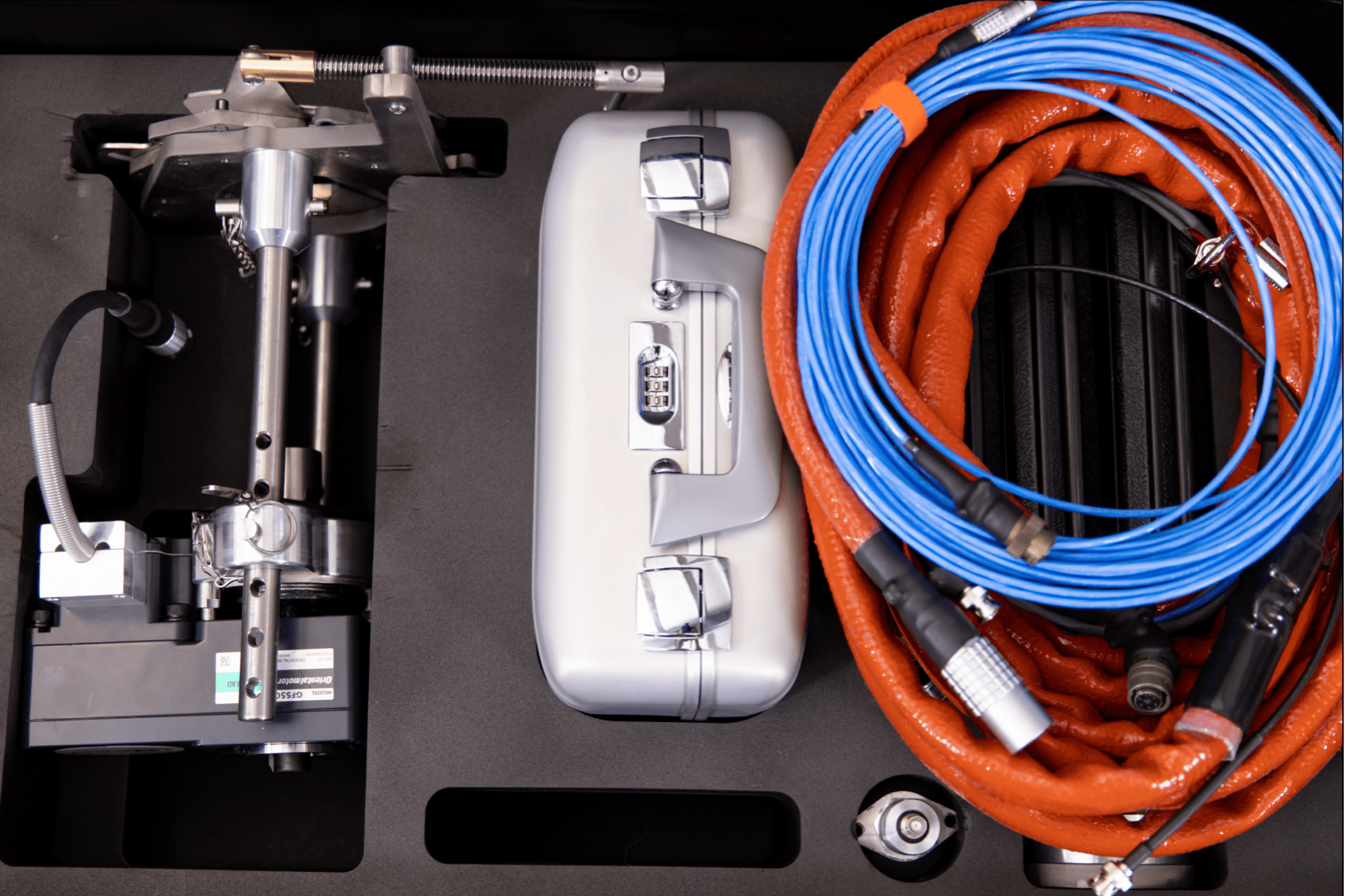
AccuTEST uses a computer-controlled electric drive to generate lifting force.
In automatic operation, the system controls force application throughout the test. In Manual Mode, the technician controls the test while the electric drive provides smooth force application.
When comparing systems, ask:
- How is lifting force generated?
- How smoothly can force be applied near valve opening?
- Is the test automated?
- Can the technician take direct control when needed?
How force is applied can affect test-to-test consistency and the influence of technician technique.
3. How Does the Rig Handle Alignment and Side Loading?
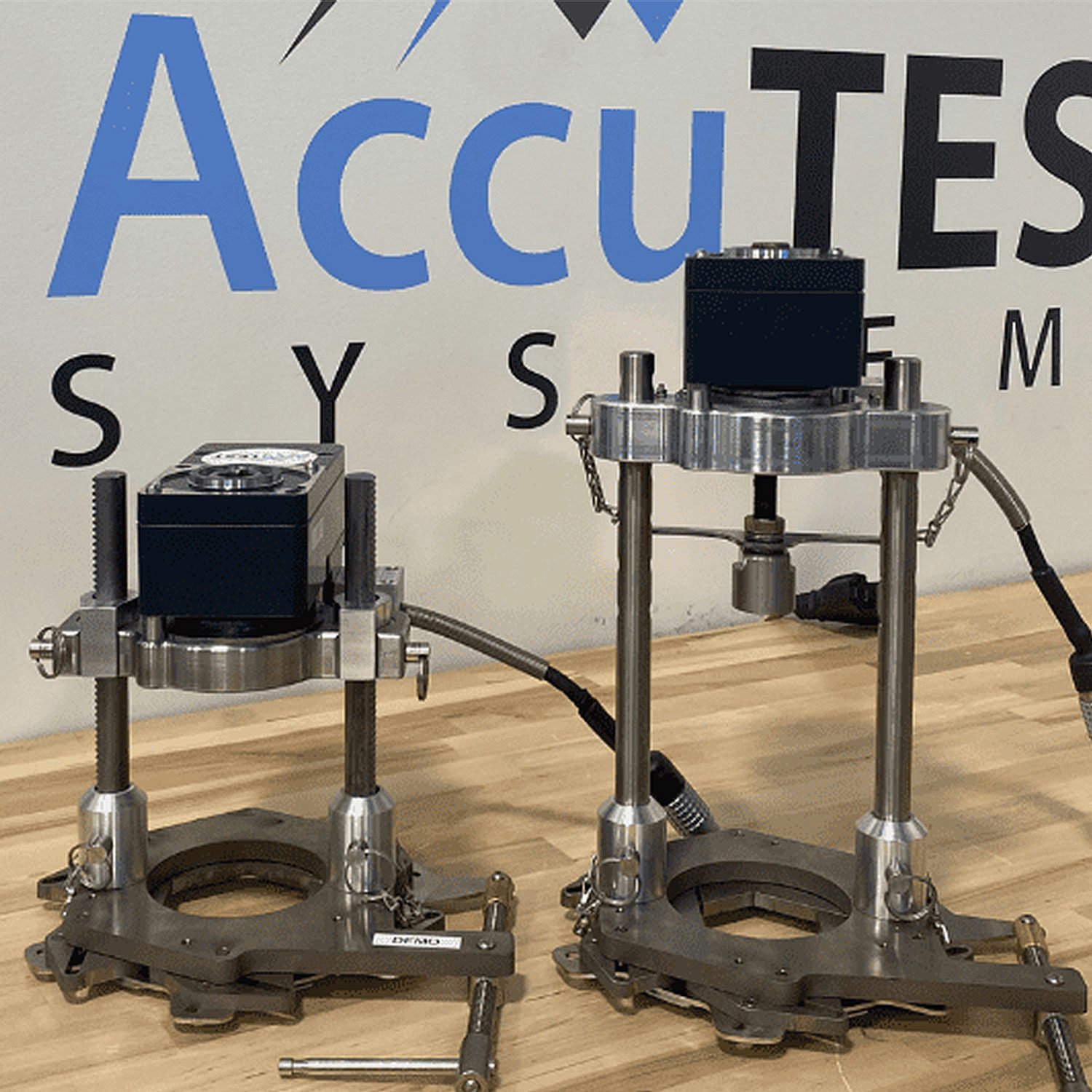
Lift force should be applied as closely as possible to the valve stem’s natural line of movement. Side loading happens when lift force pushes against the valve stem at an angle instead.
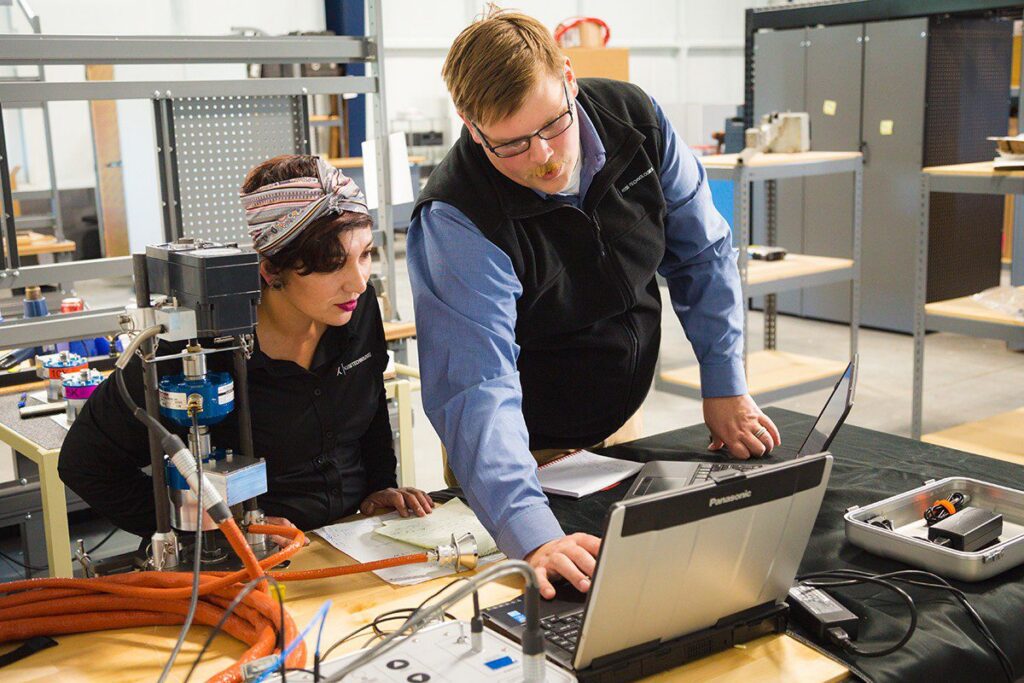
AccuTEST uses a self-aligning load rig designed to help maintain alignment and minimize side loading during the test.
When evaluating a system, ask how the rig aligns with the valve and how that alignment is maintained as lifting force increases.
4. Consider Technician Influence
Good valve testing still requires qualified technicians. But the equipment can help technicians perform tests more consistently.
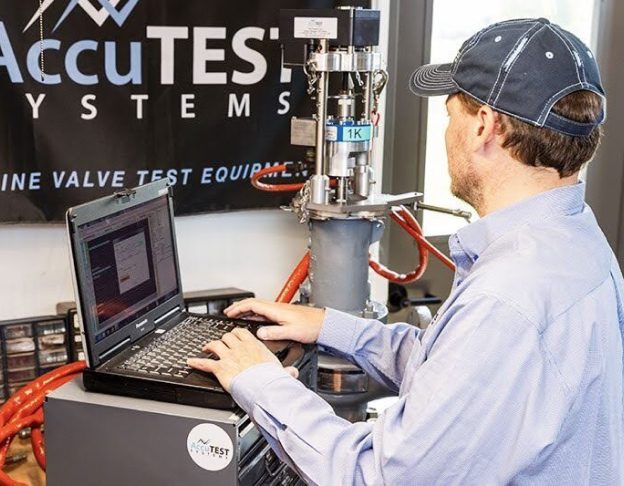
AccuTEST’s automated operation controls lifting force, monitors measurements, calculates results, and records test data.
It is also designed for one-technician operation.
A useful comparison question is: Would two qualified technicians using this system be likely to perform the test in substantially the same way?
5. Can One System Handle In-Line and Bench Testing?
Both in-line and bench testing have roles in a valve testing program.
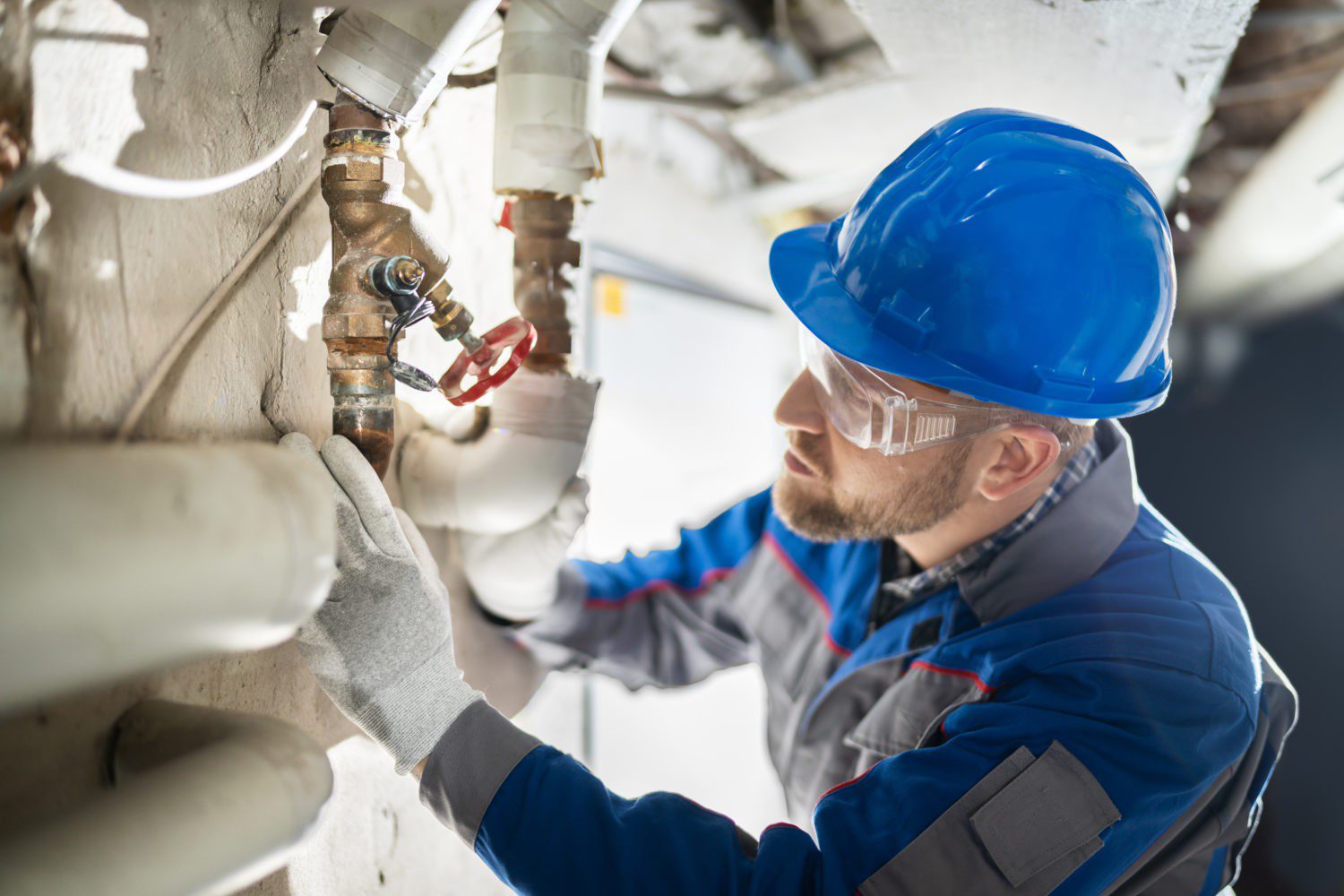
In-line testing allows the valve to remain installed under operating pressure.
Bench testing is performed using a safety valve test bench, typically after the valve has been removed for inspection, repair, calibration, or other service.
AccuTEST supports both applications.
For bench testing, the test bench supplies the pressure while the AccuTEST System functions as a lift-assist device, providing controlled lift force, measurement, calculations, and reporting.
For organizations performing both types of testing, the same AccuTEST platform can be used in the field and on the test bench.
6. Compare the Complete Ownership Experience
The equipment is only part of the decision.
Compare:
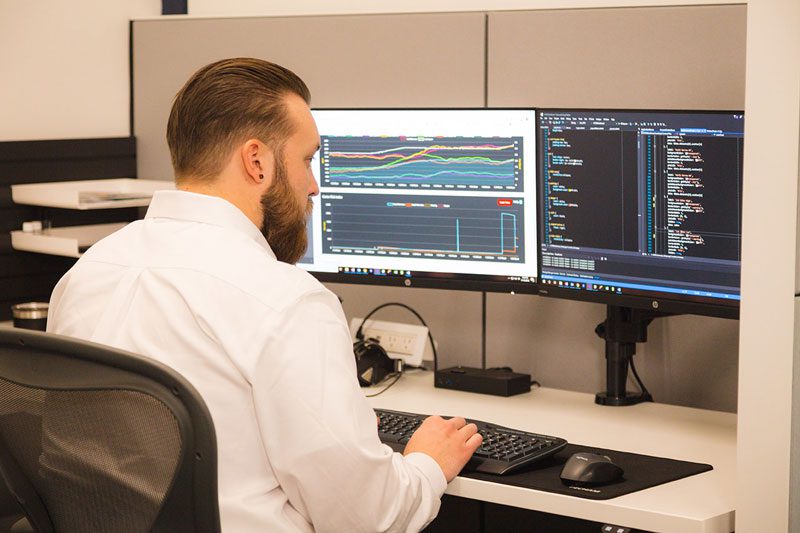
- Digital test reporting
- Calibration
- Repairs and turnaround time
- Replacement parts
- Training
- Software support
- Troubleshooting
- Access to technical and engineering support
AccuTEST supports customers worldwide, with direct access to experienced technical and engineering support. Remote support capabilities allow the AccuTEST team to assist customers wherever their systems are operating, while calibration, repair, training, and ongoing system support help keep equipment performing reliably throughout its service life.
AccuTEST vs. Profiler SRV: Frequently Asked Questions
AccuTEST and the SofTek Profiler SRV are both designed to test pressure safety valves (PSVs) and pressure relief valves (PRVs), in-line and on the bench. The differences show up in how the test is performed: how lift force is generated and controlled, how the rig manages alignment, what accuracy specifications measure, and how reporting and support are handled.
Yes. With in-line testing, the valve stays installed under operating pressure. In bench testing, a safety valve test bench supplies the pressure while the AccuTEST System provides controlled lift force, measurement, calculations, and reporting. Organizations that do both can use the same AccuTEST platform in the field and on the test bench.
AccuTEST load cells have an accuracy of ±0.075% of full scale (FS). When comparing systems, check whether a published accuracy figure refers to the load cell, pressure sensor, another transducer, or the complete testing system. Force application, rig alignment, and technician technique also affect repeatability.
AccuTEST uses a computer-controlled electric drive to generate lifting force. In automatic operation, the system controls force application throughout the test. In Manual Mode, the technician controls the test while the electric drive provides smooth force application.
Yes. The AccuTEST System is designed for one-technician operation. Good valve testing still requires qualified technicians, but automated operation controls lifting force, monitors measurements, calculates results, and records test data. That helps technicians perform tests more consistently.
Don’t Just Compare Brochures. Compare Tests.
If you’re evaluating AccuTEST and Profiler SRV, ask both manufacturers to demonstrate their systems under comparable conditions.
Use the same type of valve. Watch the setup. Watch how force is applied. Review the test data. Compare the reports. Then repeat the test.
A repeated test can tell you something a specification sheet cannot: How consistently does the complete system perform?
See How AccuTEST Approaches Safety Valve Testing
AccuTEST combines computer-controlled electric lift, a self-aligning load rig, high-accuracy measurement, automated calculations, digital reporting, and one-technician operation for both in-line and bench testing.
Profiler SRV is a trademark of SofTek Engineering.