
Global Valve Testing Terminology

PSV, Safety Valve, and Relief Valve Terms Explained
If you’ve ever wondered whether a PSV, PRV, or safety valve are the same thing, you’re not alone.
Valve testing terminology varies across regions, standards, and industries—often describing the same equipment in different ways. This can lead to confusion, miscommunication, and even compliance risks.
Pressure relief valve testing (also known as PSV testing, safety valve testing, or set pressure testing) is a critical process used worldwide to verify valve performance and system safety.
This glossary standardizes common terms used in valve testing, calibration, and certification to help teams communicate clearly across industries and countries.
What Is Valve Testing Terminology?
Valve testing terminology refers to the different names used globally—such as PSV, PRV, and safety valve—to describe pressure relief devices and how they are tested.
These terms vary based on region, standards, and industry usage.
Common Global Valve Testing Terms (Quick Definitions)
- PSV (Pressure Safety Valve): A valve that automatically releases pressure at a defined limit
- Safety valve: Common international term for a PSV
- Relief valve (PRV): U.S. term for pressure relief devices
- Set pressure testing: Verifies the pressure at which a valve opens
- In-situ testing: Testing a valve without removing it from the system
- Valve test bench: Equipment used to calibrate and test valves in a controlled environment
Why Valve Testing Terminology Differs Globally
Valve terminology is not standardized worldwide. Differences come from:
- Standards organizations like ASME, API, and ISO
- Regional regulations such as the Pressure Equipment Directive (PED)
- Language translations and local engineering conventions
- Industry-specific preferences (oil & gas, power generation, chemical processing)
Because of this, the same valve or testing method may have multiple names depending on where you are operating.
Common Valve Testing Terms (Global Comparison)
The table below shows how common valve testing terms vary by region and what they mean, helping standardize terminology across global operations.
| Term | Region | Also Called | What It Means |
| Pressure Relief Valve (PRV) | U.S. | Safety Valve, PSV | Device that releases pressure at a setpoint |
| Pressure Safety Valve (PSV) | Global | Safety Valve, PRV | Prevents overpressure by releasing pressure |
| PSV Testing | Global | Safety Valve Testing, Relief Valve Testing | Verifying valve performance and set pressure |
| Set Pressure Testing | Global | Setpoint Testing, Lift Pressure Testing | Determining when a valve opens |
| In-line Testing | U.S. | In-situ Testing, Online Testing | Testing without removing the valve |
| Valve Test Bench | Global | Calibration Bench, Test Stand | Controlled environment testing |
While the terminology may differ, these terms often refer to the same core concepts and processes of valve testing.
Want to standardize your valve testing process across regions?
See how AccuTEST enables consistent in-line testing →
Valve Testing Glossary (Standardized Definitions)
What Is a Pressure Safety Valve (PSV)?
Also called: safety valve, pressure relief valve (PRV)
A PSV (pressure safety valve) is a device that automatically releases pressure when a system exceeds a safe limit.
It is used to protect equipment and systems from overpressure conditions.
- Common terminology in: Europe, Middle East, and global oil & gas
- U.S. equivalent: pressure relief valve (PRV)
What Is a Safety Valve?
Also called: PSV, relief valve (in some regions)
A safety valve is a pressure relief device that opens rapidly to release pressure and prevent system failure.
- Often used in: steam and high-pressure systems
- Terminology varies depending on industry standards
What Is Pressure Relief Valve Testing (PSV Testing)?
Also called: PSV testing, safety valve testing
PSV testing (pressure relief valve testing) is the process of verifying that a valve opens and closes at the correct pressure.
It ensures the valve is functioning properly and meets safety requirements.
- Opens at the correct set pressure
- Reseats properly after activation
- Meets operational and safety requirements
This is a critical part of maintenance, compliance, and system safety.
What Is Set Pressure Testing?
Also called: setpoint testing, lift pressure testing, cracking pressure testing
Set pressure testing is the process of determining the exact pressure at which a valve opens.
- Required for certification and compliance
- Ensures system protection thresholds are accurate
- Common across all industries and regions
What Is PSV Calibration?
Also called: safety valve calibration, valve calibration
PSV calibration is the process of adjusting and verifying that a valve opens and closes at the correct pressure settings.
It is typically performed using controlled testing equipment.
- Often performed on a test bench
- May include adjustment, verification, and documentation
What Is In-Line Valve Testing (In-Situ Testing)?
Also called: in-situ testing, online safety valve testing
In-line valve testing (in-situ testing) is the process of testing a valve without removing it from the system.
Benefits include:
- Reduced downtime
- Faster testing
- Real-time verification
Limitations:
- Less controlled than bench testing
- May introduce environmental variables
What Is a Valve Test Bench (PSV Test Bench)?
Also called: PSV test bench, calibration bench, valve testing equipment
A valve test bench is equipment used to test and calibrate valves in a controlled environment.
Used for:
- High-accuracy calibration
- Repairs and rebuilds
- Certification testing
While test benches are commonly used in controlled shop environments, many operations are shifting toward in-line testing methods to reduce downtime and improve efficiency.
What Is PSV Testing Equipment?
PSV testing equipment (also called safety valve testing equipment, valve calibration equipment, or a PSV test bench) is used to verify valve performance in both field and controlled environments.
This includes:
- Portable in-line testing systems
- Bench testing systems
- Calibration equipment
Depending on the application, testing may be performed using either bench testing systems or portable in-line testing equipment.
What Is PSV Recertification?
Also called: safety valve recertification, valve inspection
PSV recertification is the process of verifying that a valve continues to meet regulatory and operational standards.
- Required by many industry standards
- Includes inspection, testing, and documentation
PSV vs PRV vs Safety Valve: What’s the Difference?
The terms PSV (pressure safety valve), PRV (pressure relief valve), and safety valve are often used interchangeably, but their usage varies by region, industry standards, and system type.
- PSV (Pressure Safety Valve): Common global term used in international standards and oil & gas industries
- PRV (Pressure Relief Valve): Common term used in the United States
- Safety Valve: Often used interchangeably with PSV, especially in steam and high-pressure systems
In most cases, these terms refer to similar or identical devices, but naming varies by region, standards (such as ASME, API, and ISO), and industry usage.
Key Differences at a Glance
While the terms are often used interchangeably, there are subtle differences in how they’re applied across industries and regions:
| Term | Primary Usage | Typical Region | Technical Distinction |
| PSV (Pressure Safety Valve) | Global standard terminology | Europe, Middle East, Oil & Gas | Often used interchangeably with safety valve; emphasizes system protection |
| PRV (Pressure Relief Valve) | General pressure control terminology | United States | Broader term that can include modulating relief devices |
| Safety Valve | Rapid pressure release (steam systems) | Global / Industrial | Typically opens quickly (“pop action”) vs. gradual/modulating relief valves |
Important Note:
In practical applications, the differences between these terms are often contextual rather than functional.
Many facilities, standards, and technicians use them interchangeably, but understanding the terminology can help avoid confusion—especially when working across regions, industries, or regulatory frameworks.
Regional Valve Testing Terminology
Valve testing terminology varies by country and language. Below are common terms used across different regions to describe the same testing methods, equipment, and processes.
Europe & International Standards
These terms are commonly used when searching for valve testing services, compliance, or equipment globally:
- PSV testing
- Safety valve inspection
- PED safety valve testing
- EN ISO 4126 safety valve
Germany
These terms are commonly used when searching for valve testing services or equipment in German-speaking regions:
- sicherheitsventil prüfung (safety valve testing)
- sicherheitsventil prüfstand (valve test bench)
- ansprechdruckprüfung (set pressure testing)
France
These terms are commonly used in French-speaking markets:
- tarage soupape sécurité (safety valve calibration)
- banc de test soupape sécurité (test bench)
Spain
Common terminology used in Spanish-speaking regions:
- calibración válvula seguridad (safety valve calibration)
- banco de prueba válvula seguridad (test bench)
Italy
Common terminology used in Italian-speaking regions:
- taratura valvole sicurezza (safety valve calibration)
- banco prova valvole sicurezza (test bench)
Why Standardizing Terminology Matters
For global teams and operators, inconsistent terminology can lead to:
- Miscommunication between teams or regions
- Incorrect testing procedures
- Documentation inconsistencies
- Compliance risks
Standardizing terminology improves:
- Communication across global operations
- Accuracy in reporting and documentation
- Alignment with international standards
- Confidence in testing results
How AccuTEST Supports Global Valve Testing
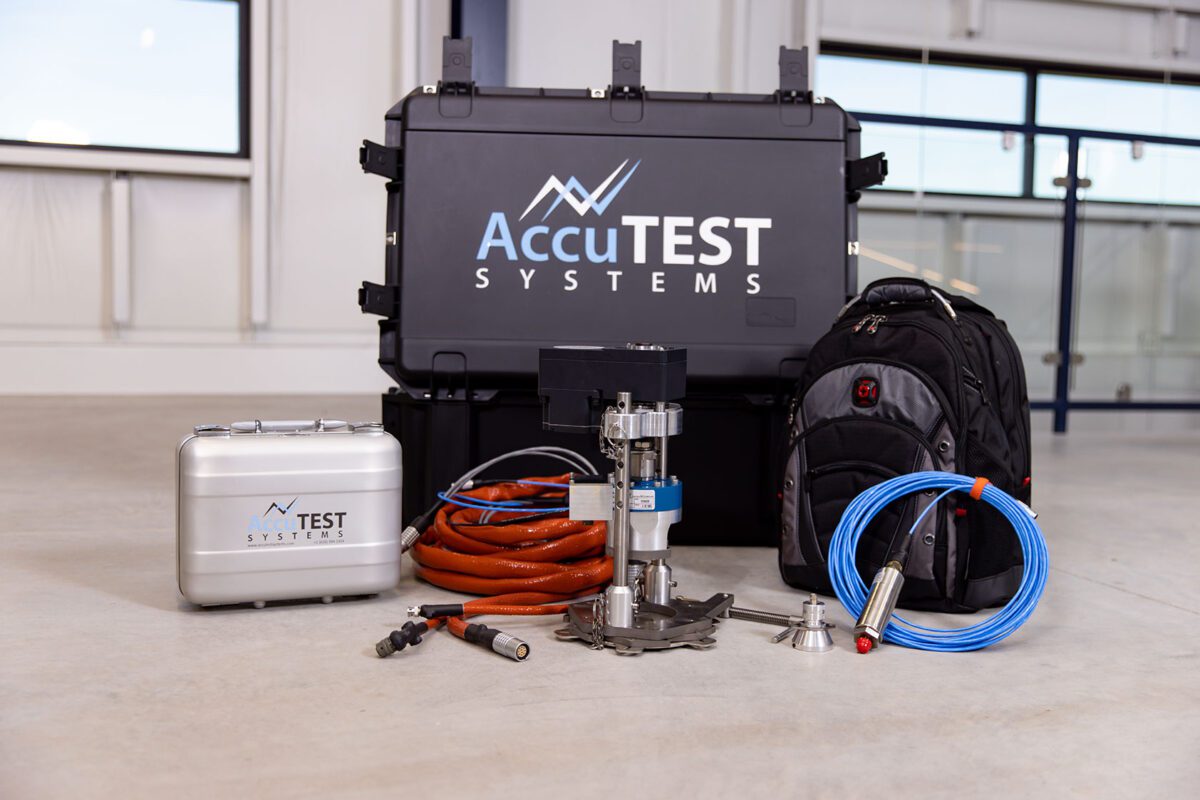
The AccuTEST System helps standardize valve testing across teams and regions by enabling:
- Consistent set pressure verification
- Digital, traceable reporting
- Repeatable testing processes across technicians
- In-line testing capabilities to reduce downtime
If you’re working across regions or managing valve testing programs globally, standardizing your testing process is just as important as standardizing terminology.
See how AccuTEST supports consistent in-line testing, reporting, and results across your entire operation.
Frequently Asked Questions
Below are answers to common questions about global valve testing terminology, including PSV, safety valve, and pressure relief valve (PRV) definitions.
What is a PSV?
A PSV (pressure safety valve) is a device that automatically releases pressure when a system exceeds a safe limit. It is used to protect equipment, pipelines, and systems from overpressure conditions and is commonly used in global industrial applications.
Is a safety valve the same as a relief valve?
A safety valve and a relief valve are often used interchangeably, but terminology varies by region and application.
In many cases, safety valve, PSV, and pressure relief valve (PRV) refer to similar devices designed to prevent overpressure, though naming depends on standards such as ASME, API, and ISO.
What is a PRV (pressure relief valve)?
A PRV (pressure relief valve) is a device that releases excess pressure to protect systems from overpressure. It is the most common term used in the United States and is functionally similar to a PSV or safety valve in many applications.
What is PSV testing?
PSV testing is the process of verifying that a pressure safety valve opens at the correct pressure and reseats properly. It ensures the valve meets safety, operational, and compliance requirements and is a critical part of maintenance and certification programs.
What is set pressure testing?
Set pressure testing is the process of determining the exact pressure at which a valve opens. It ensures that system protection thresholds are accurate and that the valve will activate at the correct point to prevent overpressure.
What is in-situ valve testing?
In-situ valve testing (in-line testing) is the process of testing a valve without removing it from the system. It allows for faster testing, reduced downtime, and real-time verification, though it may be less controlled than bench testing.
What is a PSV test bench?
A PSV test bench is equipment used to test and calibrate valves in a controlled environment.
It is typically used for high-accuracy testing, repairs, and certification after a valve has been removed from the system.
What is the difference between PSV testing and calibration?
PSV testing verifies valve performance, while calibration adjusts the valve to meet the correct pressure settings.
Testing confirms whether the valve is functioning properly, while calibration ensures it opens and closes at the correct pressure.
Why does valve testing terminology vary by region?
Valve testing terminology varies by region due to differences in standards, regulations, and industry practices.
Organizations such as ASME, API, and ISO, along with regional regulations like PED, influence how valves and testing methods are named and defined.
What is valve recertification?
Valve recertification is the process of verifying that a valve continues to meet regulatory and operational standards. It typically includes inspection, testing, calibration, and documentation to ensure compliance and system safety.